
How prepared is your business for the rapidly evolving landscape of customer management in 2025?
As customer expectations continue to shift, staying competitive requires businesses to stay ahead of these changes. In fact, recent studies show that companies with a strong focus on customer-centric strategies are 60% more likely to outperform their competitors.
Adapting to this dynamic environment means understanding and leveraging the latest trends in customer management. In this article, let's explore five key trends that will shape 2025, providing actionable insights on how businesses can benefit from adopting them.
The Top 5 Customer Management Trends for 2025
To stay competitive in 2025, businesses must align with the latest customer management practices. The following five trends are reshaping how companies interact with their customers, offering opportunities to enhance satisfaction, loyalty, and reach overall success.
Let’s look closer at these game-changing strategies and how they can work for your business.
1. Hyper-Personalization Driven by Data
Nowadays, customers have a growing preference for personalized experiences—even more so than ever before. Hyper-personalization uses advanced analytics and real-time data to create tailored customer interactions. From personalized product recommendations to dynamic pricing based on behavior, businesses can use data-driven insights to deepen customer connections.
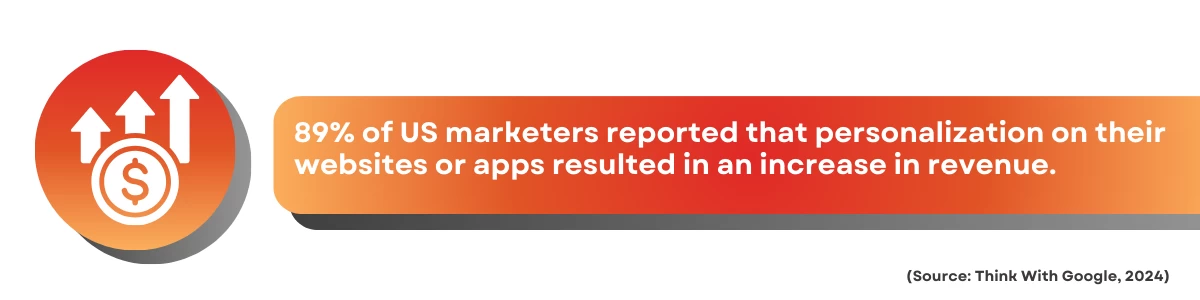
For instance, an e-commerce platform that analyzes shopping habits to suggest relevant items sees higher conversion rates and loyalty. This approach means that even small businesses can harness customer data to personalize marketing campaigns and make every interaction more meaningful.
2. Visibility and Flexibility in Product Delivery
Customers will expect better transparency and flexibility in product delivery in 2025. Customers now expect real-time tracking, customizable delivery windows, and flexible pickup options, which can significantly impact their journey.
Streamlined logistics allow businesses to meet these demands while consistently increasing customer satisfaction and retention. Providing customers with the flexibility to select delivery methods that align with their schedules is a potent and highly effective strategy to differentiate oneself in a competitive market that often offers limited delivery options.
3. AI and Machine Learning for Anticipating Customer Needs
Artificial intelligence and machine learning have already begun revolutionizing customer management years prior, but the technology is expected to reinforce its capability to predict preferences and resolve more complex issues in 2025. AI-powered chatbots can offer tailored product suggestions or address common problems in real-time, providing a seamless experience for customers.
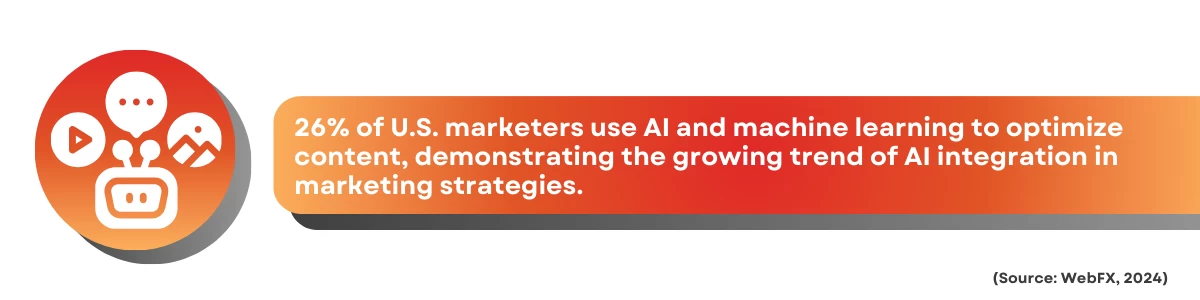
These tools also enhance efficiency by automating repetitive tasks, allowing businesses to focus on strategic growth. Whether it’s identifying trends in customer feedback or optimizing inventory, AI delivers significant advantages for businesses of all sizes.
4. Proactive Customer Engagement
Proactive engagement is about reaching out to customers before issues occur. Businesses that monitor key customer experience (CX) metrics such as Customer Satisfaction Scores (CSAT) and Net Promoter Scores (NPS) can identify areas for improvement early.
For example, a subscription-based service that notices declining satisfaction scores can offer personalized incentives to keep customers engaged. Addressing potential issues before they escalate fosters loyalty and improves retention.
5. Omnichannel Integration for a Seamless Experience
Customers expect consistency across all touchpoints, whether online, in-store, or on social media. By connecting interactions across these channels, omnichannel integration creates a seamless journey for your customers.
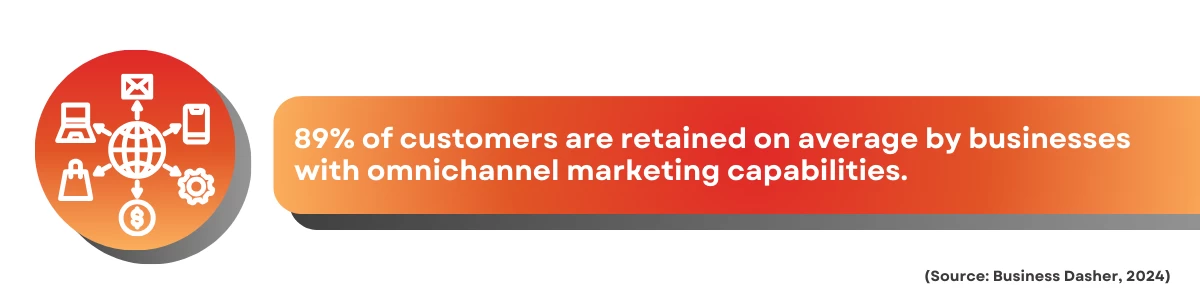
For instance, when a customer starts shopping in an app, they would like to add items to their cart and later complete the purchase in-store without needing to re-enter information. This level of convenience strengthens trust among your customers while encouraging repeat purchases due to seamless integration that results in comfort.
Benefits of Adopting These Trends
Embracing these customer management trends doesn’t just meet evolving customer expectations—it unlocks powerful advantages for your business. Prioritizing these strategies can help companies achieve the following:
- Improved Customer Satisfaction and Retention: Tailored experiences, seamless interactions, and proactive engagement foster stronger connections, encouraging customers to return and recommend your brand.
- Streamlined Operations and Cost Efficiency: Tools like AI and omnichannel integration help businesses automate processes, reduce inefficiencies, and optimize resources while delivering better customer experiences.
- A Competitive Edge in the Market: Businesses that adapt to these trends stand out, building a reputation as forward-thinking and customer-focused. This differentiation can attract new customers and strengthen brand loyalty.
The trends we discussed above are more than just enhancements—they’re essential building blocks for success in 2025 and beyond.
Taking the Next Step for Success in 2025
Adopting these customer management trends isn’t just a choice; it’s a necessity for businesses that want to thrive in 2025. Whether it’s leveraging AI to anticipate customer needs or offering flexible delivery options, staying ahead of these trends will help your business stand out.
Ready to enhance your customer management in 2025? Subscribe to Smicos today for FREE and learn how this AI-powered solution can transform the way you manage your customers!