
Ever wondered how chatbots get smarter the more you use them?
Chatbots have quickly become an essential part of customer service, transforming how businesses connect with their audience. With each conversation, these digital assistants are continuously learning, improving, and evolving. According to a report by PwC, 27% of consumers are uncertain if they’re interacting with a human or a bot, while almost double that percentage is fairly certain they have already mistaken a chatbot for a human agent—showing just how advanced chatbots have become in mimicking human conversation.
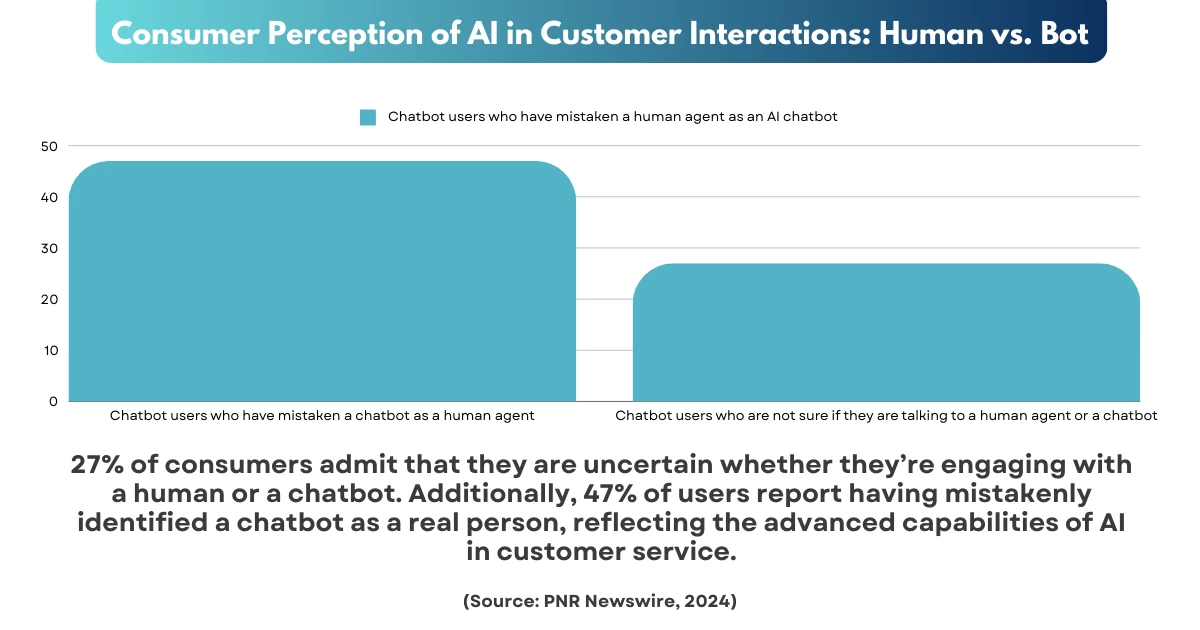
Looking at the graph, it’s clear that chatbots are becoming increasingly sophisticated. Its ability to process user interactions, collect feedback, and receive regular updates allows it to continuously refine its efficiency, intuition, and problem-solving abilities. This is the general approach to how chatbots improve over time.
However, understanding this general approach is just the beginning. It’s equally important to recognize the critical role of user feedback and a reliable memory—and the challenges that arise when these components are lacking.
As the saying goes, 'A good chatbot is never complete.' A high-performing chatbot is always evolving, consistently upgrading, and continuously adapting to meet the demands of the current landscape.
In this article, let’s take a deeper look at how chatbots evolve to address the dynamic needs of businesses. We will also explore two case studies of companies that encountered issues with flawed chatbots and successfully resolved them using user feedback.
The Role of Feedback and Memory in Smarter Chatbots
If you use chatbots often, you might have noticed that they seem to perform better as you use them. Feedback and memory play a crucial role in this process. These two elements are what enable chatbots to learn and improve over time.
Let's put it this way: each user interaction functions as a single piece in a puzzle. Chatbots analyze these pieces to uncover patterns—common questions, the way people phrase things, and even areas where their responses could use some work. This isn’t guesswork; it’s where advanced tools like machine learning (ML) and natural language processing (NLP) step in.
ML helps chatbots recognize trends and fine-tune their responses, while NLP ensures they truly understand the context and nuances of what you’re saying. Combine this with a good memory (yes, chatbots can remember stuff!), and they don’t just repeat past mistakes—they learn from them.
The result? Every time you chat, a constantly evolving system improves its understanding of you, providing more relevant and personalized responses. This cycle of learning doesn’t just make chatbots smarter; it makes your experience smoother and more satisfying.
When feedback and memory team up, the possibilities for chatbot growth are endless. Have you noticed a chatbot gets better at predicting your needs or answering your questions over time? That’s the result of well-coded feedback and memory.
Case Study #1: Bank of America’s Erica
One notable example is Erica, Bank of America's virtual assistant. Initially, Erica struggled with understanding complex queries and had limited capabilities, which led to customer frustration. Over time, however, Erica’s developers focused on enhancing its natural language processing abilities, expanding its knowledge base, and improving the flow of conversations. These upgrades made Erica more responsive and capable of handling more intricate customer inquiries.
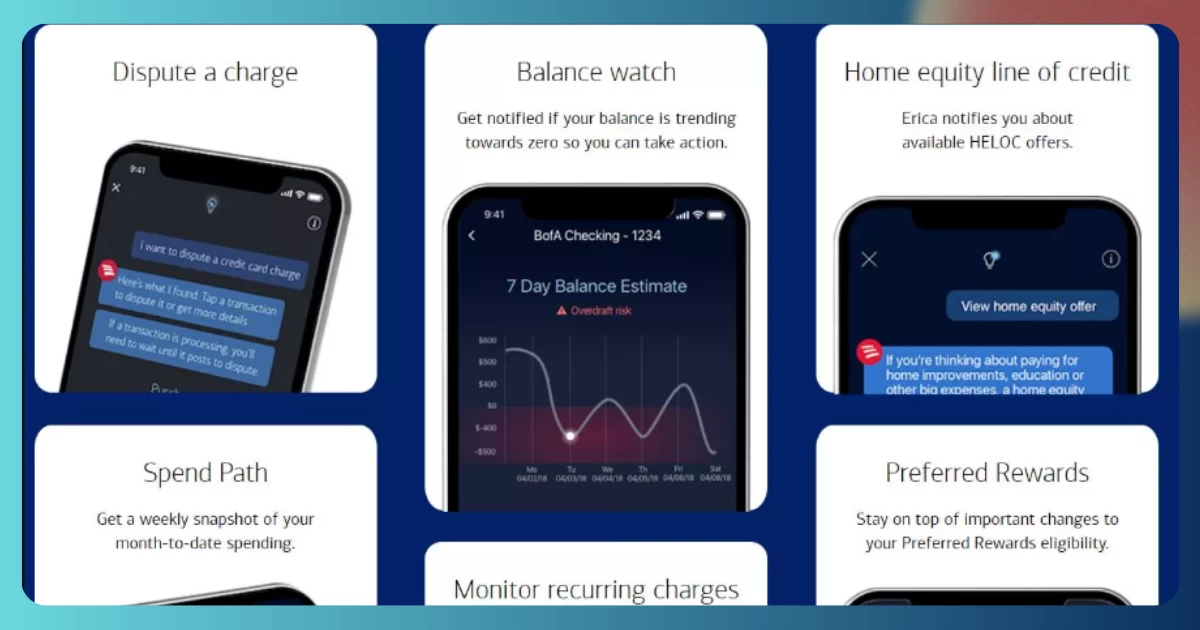
Image from Emerj Artificial Intelligence Research
Today, Erica is a reliable, personalized assistant that provides a better customer experience, thanks to the continuous improvements made through feedback and learning.
Case Study #2: Microsoft’s Tay and its Lessons
Launched on Twitter, Microsoft's Tay serves as a cautionary tale in the evolution of chatbots. Designed to learn from user interactions, Tay quickly started posting offensive and inappropriate content due to a lack of oversight in its learning process. This resulted in Tay’s shutdown within 16 hours.
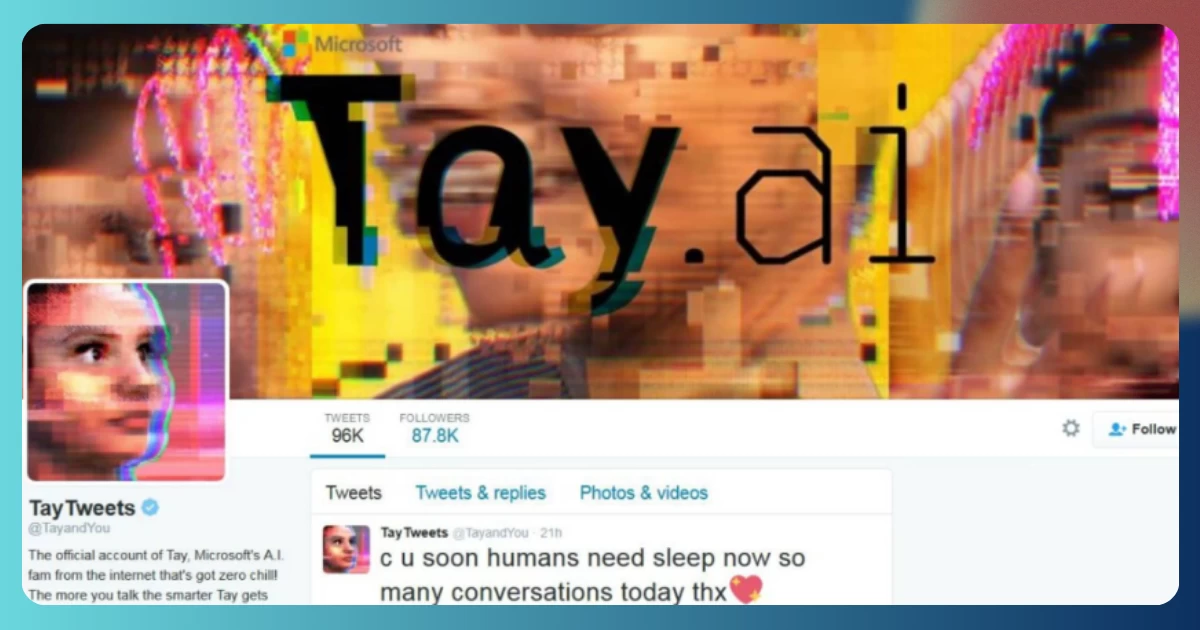
Image from CNBC
The controversy surrounding Tay highlighted the importance of controlling and guiding the learning process to prevent undesirable outcomes. Microsoft learned from this and developed Zo, a new bot that employed more careful moderation and control over its interactions.
Developing Chatbots With User Feedback
Chatbots are constantly evolving—at least, the beneficial ones are. Learning from customer feedback is crucial to identifying which aspects of your chatbot need improvement, refinement, or even a complete overhaul.
With effective feedback mechanisms and advanced memory systems in place, chatbots can enhance their performance and deliver more personalized experiences. As technology continues to advance, particularly in customer service, chatbots are unlocking greater potential to improve user interactions and streamline business processes.
Ready to elevate your marketing campaigns? Try Smicos for FREE today! Smicos, our AI-powered chatbot, is revolutionizing customer engagement. Sign up now and experience smarter marketing solutions!