
How do businesses stay responsive 24/7 without burning out their customer service teams?
Customer service has transformed from waiting on phone lines to real-time chat windows that answer in seconds. As customers grow more connected and expect instant replies, businesses face the challenge of keeping up with the constant flow of inquiries. Whether it’s a shopper asking about product availability or a diner checking an online order, quick and helpful responses can make all the difference in building loyalty and trust.
To meet these growing demands, many brands are turning to AI-powered chatbots. These smart assistants help manage multiple conversations at once, offer personalized answers, and work around the clock to keep customers satisfied. In this article, we will discuss how AI chatbots are reshaping customer service across industries, why businesses are adopting them faster than ever, and what benefits they bring to both customers and companies.
The Rising Bar for Customer Experience
Customers today value speed and convenience above all else. A single delay in response can lead to frustration or even a lost sale. Reports show that most consumers expect replies within minutes, whether they’re asking about a product or following up on a service issue.
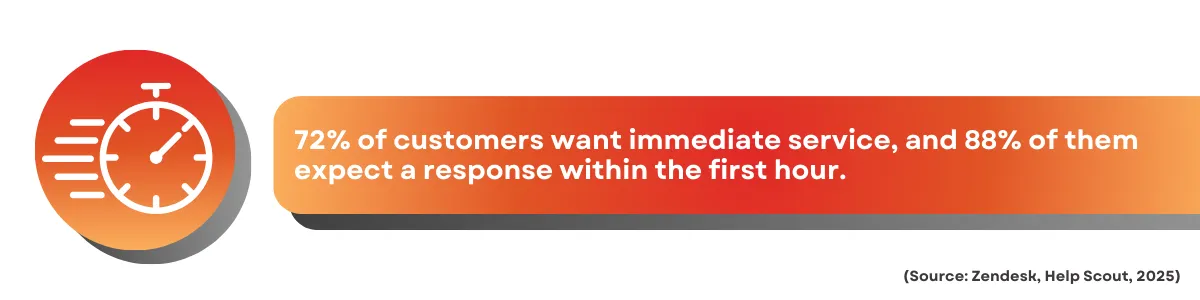
Human teams, no matter how dedicated, can only do so much at once. Managing hundreds of inquiries daily while maintaining empathy and consistency is a tough balance. That’s why many businesses are turning to artificial intelligence to help bridge the gap and enhance their customer service without losing the human touch.
The Role of Artificial Intelligence in Customer Service
Artificial intelligence refers to technology that mimics human thinking and learning. In customer service, it powers tools such as chatbots and automated support systems, making communication faster and more convenient.
AI chatbots can handle tasks such as answering FAQs, tracking orders, or helping with basic troubleshooting. These automated systems ensure customers receive accurate information anytime they need it. As a result, response times improve and your overall satisfaction increases.
The real advantage lies in AI’s ability to learn from every interaction. Over time, it refines its understanding of customer preferences, allowing businesses to provide even better assistance in future conversations.
Where to Integrate AI in Your Customer Journey
AI works best when placed at the right touchpoints across the customer journey. Here are a few practical areas to start with:
-
FAQ Handling – Automate responses to common questions like operating hours, pricing, or delivery status. This ensures customers get accurate answers instantly.
-
Lead Qualification – Use AI to filter and prioritize inquiries that show buying intent. Sales teams can then focus on leads most likely to convert.
-
Escalation Support – Let AI detect when a conversation needs human attention and automatically forward it to the right team member.
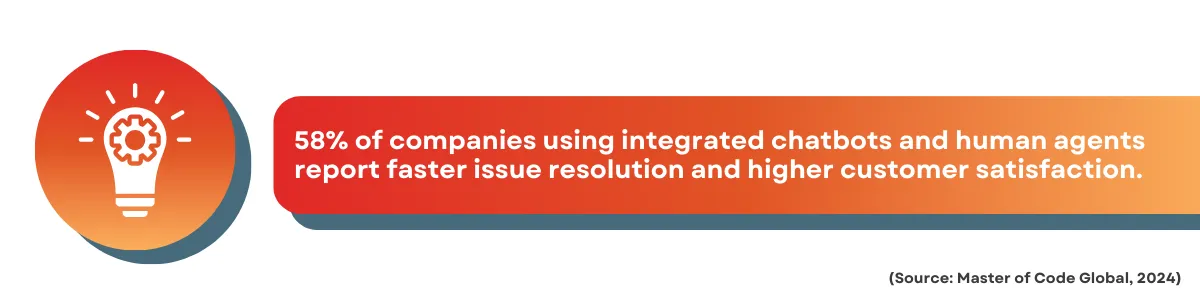
These integrations make AI for customer care not just a support tool but a key part of the overall service strategy. When AI and human teams work together, customers experience faster resolutions, smoother conversations, and a more personal touch.
Smarter Care Starts with AI
In a competitive market, ignoring AI for customer care means falling behind brands that already use technology to enhance customer satisfaction. Businesses that adopt AI customer service gain faster response times, consistent communication, and predictive insights that drive loyalty.
The best approach is to start small. Identify where your customers need help most and introduce AI tools that complement your existing system. Over time, those small steps can lead to a smarter, more responsive, and future-ready customer service experience.
Excellent customer care is now easy with Smicos. Visit our website for a free demo or book a one-on-one consultation to determine which Smicos solutions and features best suit your business needs.