
Did you know that by 2027, it's estimated that chatbots will power over 85% of customer interactions?
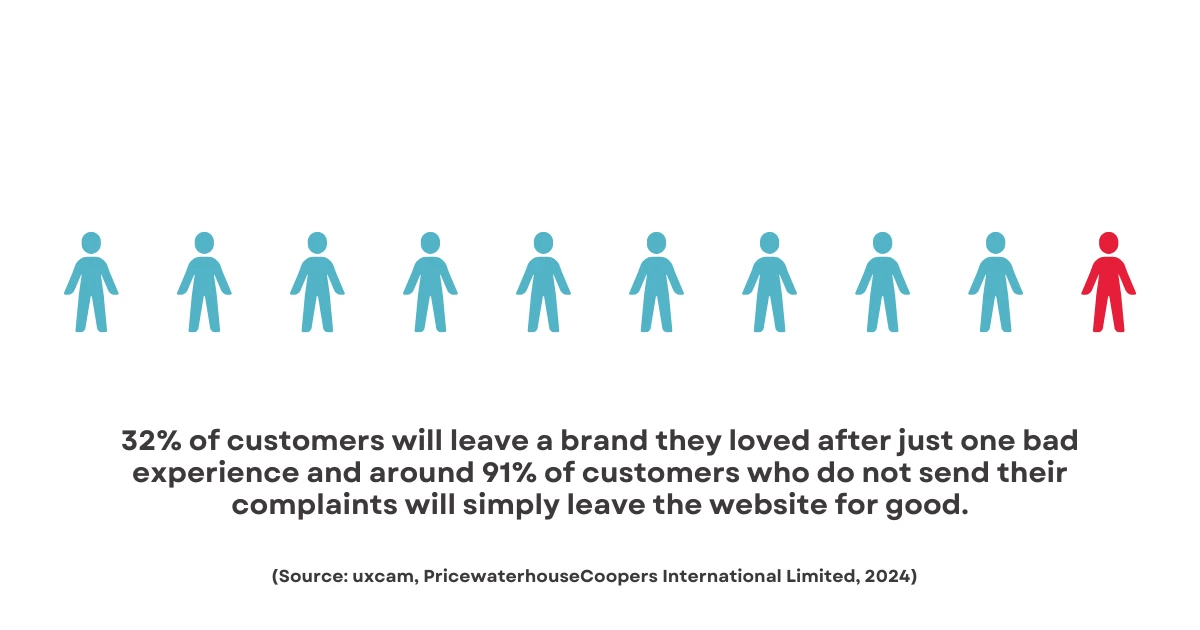
As AI assistants become ubiquitous across digital landscapes, ensuring their smooth operation is essential for providing a good customer experience to users and seamless management for employers. Chatbots are no longer confined to websites, limited to providing simple answers or left unable to comprehend complex customer concerns. Now, AI chatbots are seamlessly integrated into mobile apps, messaging platforms, and social media platforms, answering various questions, concerns, and even receiving feedback for future development,
This multi-platform presence offers tremendous convenience for users, but it also presents a unique challenge: maintaining a consistent and positive user experience (UX) across all these diverse touchpoints.
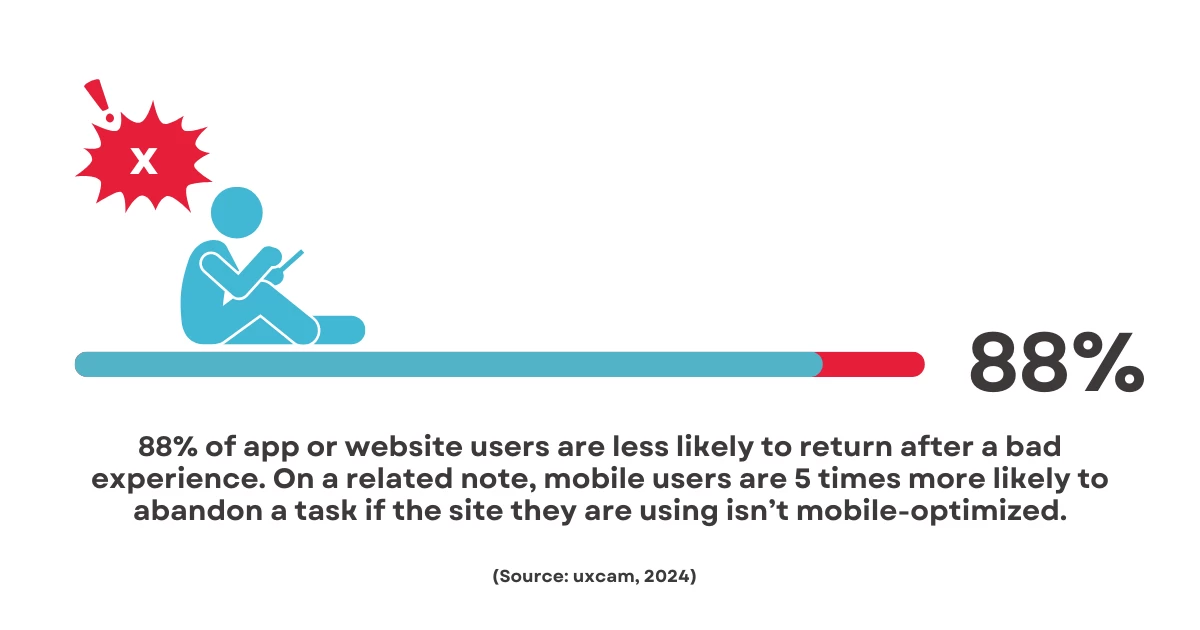
Inconsistent performance or functionality variations between platforms can damage brand trust and ultimately hinder chatbot adoption. This is where cross-platform testing becomes an essential practice for digital marketers. By meticulously testing chatbots across various platforms, you can ensure a seamless user experience, regardless of where users choose to interact with your brand.
As of 2024, AI chatbots have become one of the most utilized solutions for customer service. Ensuring they maintain their functionality is crucial to staying competitive in a landscape where they can be found on all types of platforms. In this article, we will discuss the challenges faced by traditional chatbots across various outlets and how cross-platform testing can improve AI chatbot performance in the long run.
Challenges Faced by Traditional Chatbots Across Platforms
Traditional chatbots often encounter several challenges when operating across different platforms. Technical variability is a common issue, as each platform may use different APIs and user interfaces, leading to discrepancies in how chatbots perform and interact with users. When user experience discrepancies arise, variations in design and functionality across platforms result in inconsistent experiences, compromising the overall user experience.

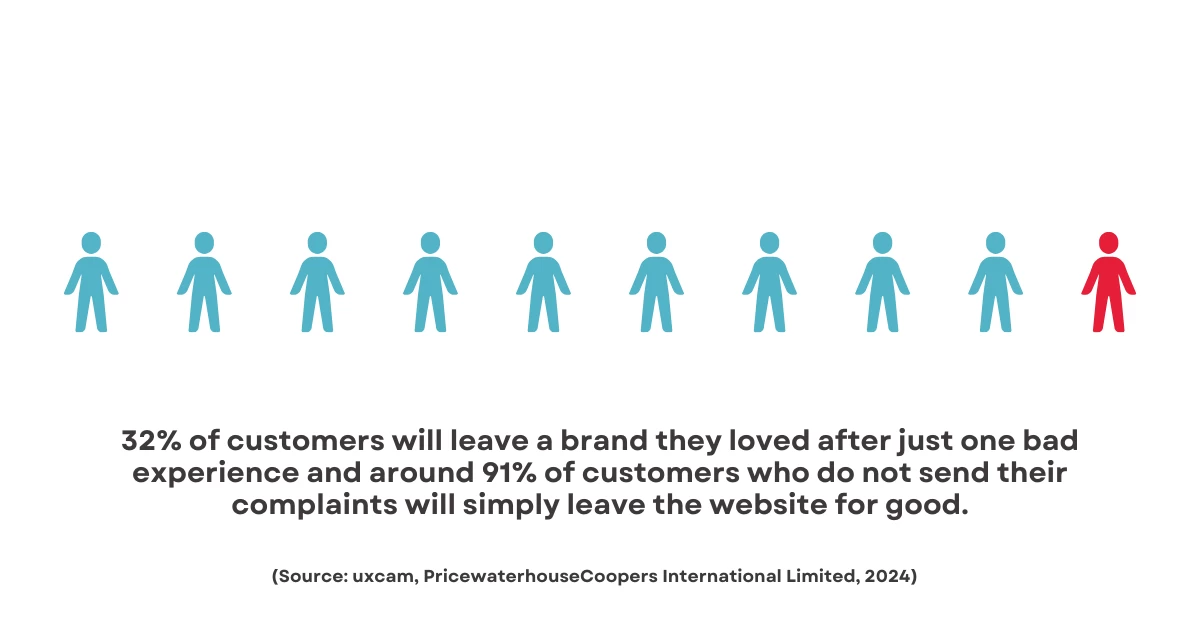
Such cross-platform issues are not the only factors that can hinder a user from staying or returning to your website or platform. Integration problems can arise from subpar UX design, making it difficult for chatbots to seamlessly connect with various backend systems and data sources. Above all, maintaining consistent performance metrics and response times across platforms poses a significant challenge, impacting the overall reliability of the chatbot.
Importance of Cross-Platform Testing
Cross-platform testing is crucial for solving UX issues and ensuring a unified user experience. This is so that organizations can provide a seamless interaction for their customers, regardless of the platform they use. This form of testing also helps in detecting and fixing platform-specific issues, such as bugs or glitches that may only appear on certain devices or operating systems.
Apart from providing a solid platform experience, a good UX design supports brand integrity, which is another critical aspect since consistently effective functionality across all platforms reinforces a brand’s image and reliability.
Best Practices for Cross-Platform Testing
To achieve effective cross-platform testing, several best practices should be followed:
- Define Clear Objectives: Establish what elements of the chatbot—such as responses, functionality, and appearance—need to remain consistent across platforms.
- Develop Comprehensive Test Cases: Create detailed test scenarios that cover various platforms, including different devices and operating systems, to ensure thorough evaluation.
- Automated Testing Tools: Use automated testing tools that support cross-platform testing to simplify the process and enhance the efficiency of your method.
- Manual Testing: Complement automated tests with manual testing to capture issues that might be overlooked by tools but are likely to occur in real-life scenarios. Focus on user interactions and their overall experience to get the best picture of what your users are looking for.
- User Feedback: Collect and analyze feedback from users to identify and address any inconsistencies that might affect their experience across different platforms.
Ensuring AI Chatbot Service Consistency Across Multiple Platforms
Cross-platform testing is crucial for ensuring that your AI chatbots will deliver consistent and reliable performance across various platforms. By adhering to the best practices and employing the most effective and applicable methodologies in their chatbots, organizations can enhance user satisfaction and maintain their brand’s integrity. Prioritizing cross-platform testing is not solely for the purpose of resolving AI chatbot inconsistencies, but it also reinforces a seamless user experience that is essential for greater user retention and success.
Ready to ensure your chatbot delivers a consistent and seamless experience across all platforms? Discover how Smicos can simplify cross-platform testing and enhance your chatbot’s performance.
Check out our solutions and explore how Smicos can take your chatbot to the next level!