
Have you ever thought about how AI is transforming the way businesses interact with customers in the Philippines?
As businesses across the country embrace AI technology, we’re seeing faster response times, more personalized service, and smoother operations. AI is not only revolutionizing customer engagement strategies but also expanding the limits of customer service capabilities. From the latest tech advancements to strong government backing, the Philippines is becoming a key player in AI adoption.
But all these opportunities come with unique challenges. Businesses must navigate obstacles that come with adopting new technology. Understanding these challenges is key to making informed decisions about integrating AI into their operations.
In this article, we’ll explore how AI is revolutionizing customer management in the Philippines and how businesses can use it to their advantage to optimize processes.
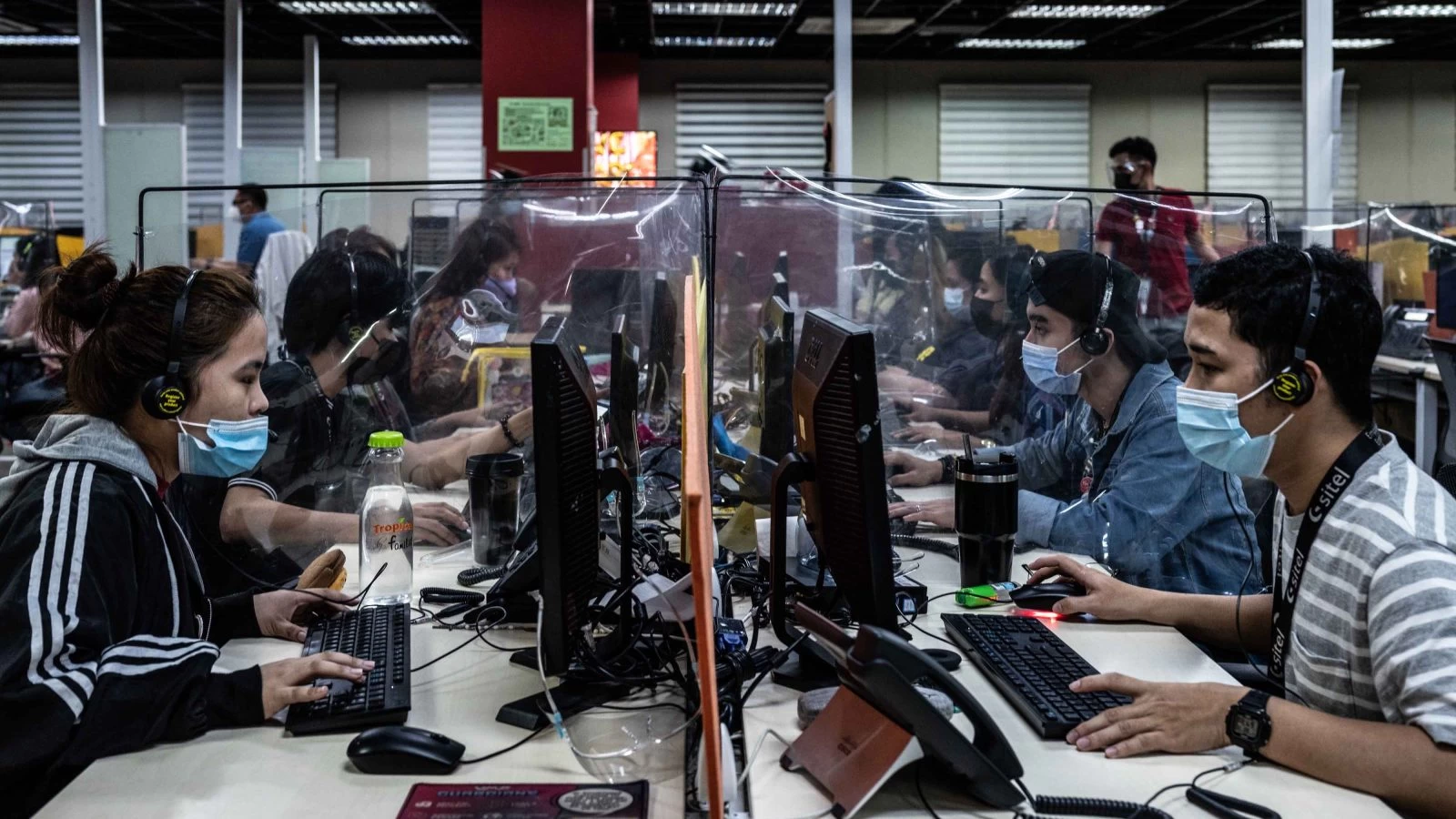
Image from Rest of World
AI Adoption in the Philippines
Businesses in the Philippines are increasingly adopting AI across various operations, with call centers being a major focus. AI is transforming customer service by streamlining processes, enhancing the efficiency of interactions, and providing quicker, more personalized responses.
The Philippine market is expected to see continued AI growth, with the highest monthly search volume for AI tools globally—around 5,052 searches per 100,000 people, according to the Generative AI Global Interest Report 2023.
2024 projections expect the market to reach ₱204.5 billion ($3.5 billion) by 2030, with a compound annual growth rate (CAGR) of 28.57%. These promising statistics indicate that the adoption of AI is likely to persist, acting as a catalyst for a transformation in the way businesses approach customer service.
AI Technologies Transforming Customer Management
AI technologies are playing a major role in enhancing customer service management in the Philippines:
- Chatbots and Virtual Assistants: These AI tools provide real-time responses to customer inquiries and learn from past interactions to offer more accurate answers. They’re available 24/7, allowing businesses to provide continuous support without human intervention.
- Natural Language Processing (NLP): NLP helps AI understand and process customer queries more effectively by analyzing language patterns and context. This enables a more natural, human-like interaction between businesses and customers.
- Sentiment Analysis: AI can detect the emotional tone behind a customer’s message, allowing businesses to adjust their responses based on the customer’s mood or frustration level, ultimately improving the customer experience.
- Robotic Process Automation (RPA): RPA automates repetitive tasks, like data entry or order processing. By handling these tasks, AI frees up human agents to focus on more complex customer issues, improving both efficiency and service quality.
Optimizing Operations with AI
AI is enhancing customer interactions and optimizing business operations. Tools like predictive analytics and workforce management help businesses streamline processes and allocate resources more efficiently, leading to cost savings and improved performance.
Predictive Analytics: AI analyzes data to anticipate customer needs and tailor interactions accordingly. By identifying trends and patterns, businesses can offer proactive solutions before issues arise.
Workforce Management: AI tools enable businesses to optimize their workforce by scheduling agents based on demand, improving resource allocation. This results in a more efficient customer service team and shorter wait times for customers.
Operational Efficiency: AI-driven solutions help companies reduce labor costs and simplify processes. This not only boosts profitability but also enhances the customer experience by minimizing delays and errors.
Government Support for AI Integration
The Philippine government is actively supporting the integration of AI into businesses, recognizing its potential to drive economic growth. The National AI Strategy Roadmap 2.0 lays out the framework for AI development in the country, with a focus on creating an AI-friendly business environment.
Currently, regulatory frameworks are being developed and discussed in Congress to ensure that AI adoption is sustainable and beneficial to businesses. Such frameworks include:
- House Bills 7913 and 7983 (Rep. Keith Micah Tan) – These bills propose a regulatory framework for AI usage and the creation of the National Center for AI Research.
- House Bill 7396 (Rep. Robert Ace Barbers) – This bill focuses on fostering AI development while ensuring proper regulation in the Philippines.
- House Bill 9448 (Rep. Juan Carlos Atayde) – This bill seeks to regulate AI and automation, with particular attention to its impact on the labor industry.
These house bills outline the Philippine government’s vision to position the country as a regional AI leader that is at the forefront of innovation and growth across industries.
Embracing AI for the Future of Customer Service
The Philippines is on track to becoming a leader in AI-driven customer management, driven by advanced AI technologies, government support, and a growing appreciation for AI’s potential. Businesses that integrate AI into customer service can expect enhanced interactions, greater efficiency, and a stronger competitive edge in a rapidly evolving market.
Explore smarter AI solutions for your business—visit the Smicos website today and try our chatbot solutions for FREE!