Did you know that by 2027, it is predicted that AI chatbots will become the primary customer service channel for roughly a quarter of organizations worldwide?
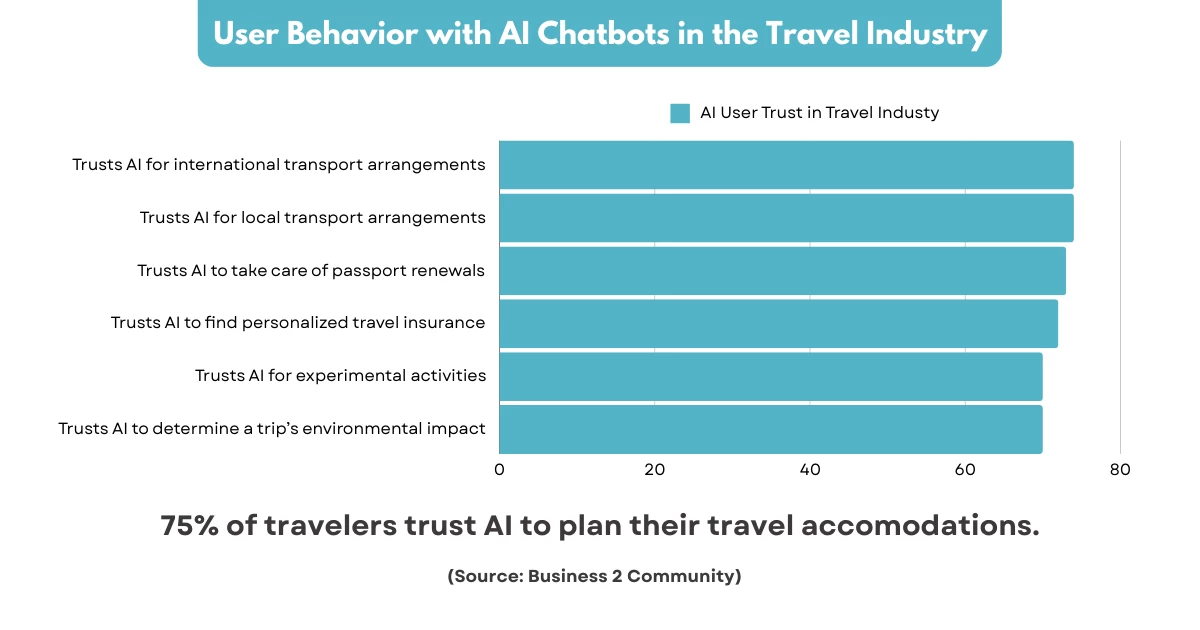
In the travel industry, this translates to a significant shift in how travelers book flights and hotels, as well as how they plan their trips overall. This is because AI chatbots have become invaluable tools for businesses and customers alike—far more than what everyone initially expected from the technology that suddenly took over the world. From simple, inflexible conversations, chatbots can now offer 24/7 assistance, streamlining booking processes, and handling numerous inquiries simultaneously.
But with this convenience comes a crucial question: how can we ensure the security of sensitive customer information during these AI-powered transactions? As the travel industry embraces chatbots, building trust, and robust security measures are the most important. In this article, we will dive into how AI chatbots can enhance the travel booking experience and prioritize security, fostering a trustworthy environment for travelers and travel companies.
Protecting Sensitive Customer Information
Travel bookings involve handling a significant amount of sensitive information, including credit card details, personal identification numbers, and travel itineraries. The risks associated with data breaches and unauthorized access are substantial, potentially leading to financial loss and customer identity theft. Hence, implementing robust security measures to protect this data is paramount. Ensuring that AI chatbots are designed with security in mind helps safeguard customer information and maintain their trust.
Role of AI Chatbots in Fraud Detection and Prevention
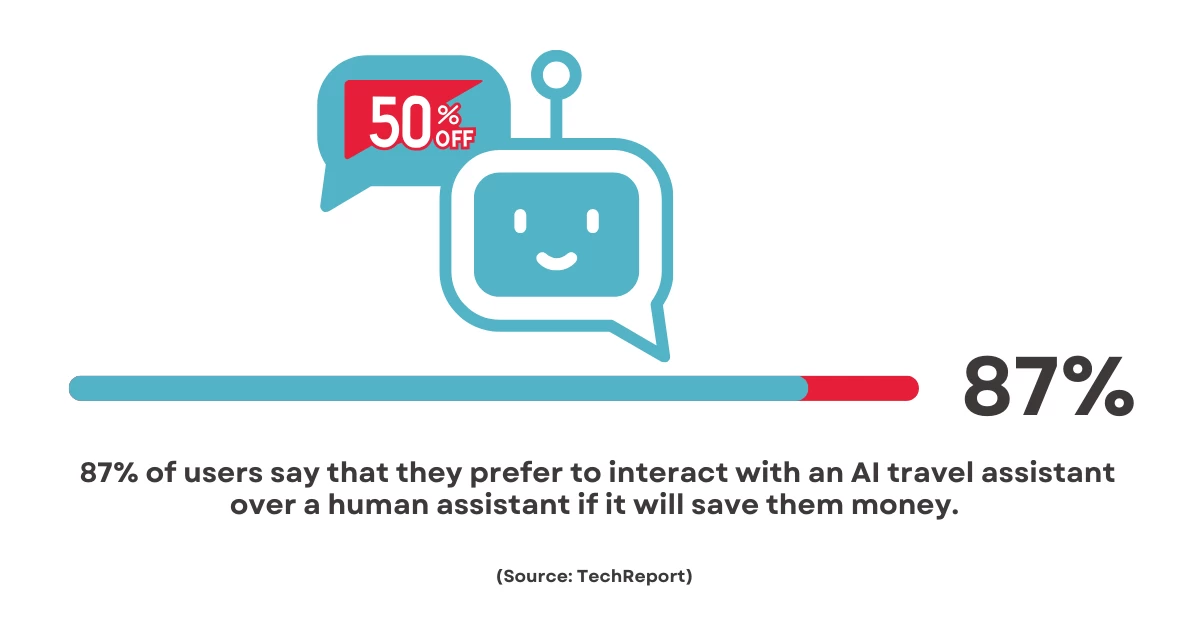
AI chatbots play a critical role in fraud detection and prevention. They monitor transactions for unusual patterns and potential fraud in real time, using advanced machine-learning algorithms to identify suspicious activities. For example, the chatbot can flag the transaction for further review if a customer's booking behavior deviates significantly from their usual patterns. This proactive approach helps prevent fraudulent activities before they can cause harm. Statistics and case studies have shown that AI chatbots are highly effective in preventing fraud, reducing the incidence of unauthorized transactions, and boosting customer confidence.
Building Trust with Customers
Building trust is essential for the adoption of AI chatbots in travel bookings. Transparency in how customer data is used and protected will help assure customers that their information is in safe hands. Clear communication and support channels allow users to seek assistance and promptly report any concerns. Educating customers on safe transaction practices, such as recognizing phishing attempts and using secure networks, further enhances their confidence in using AI chatbots.
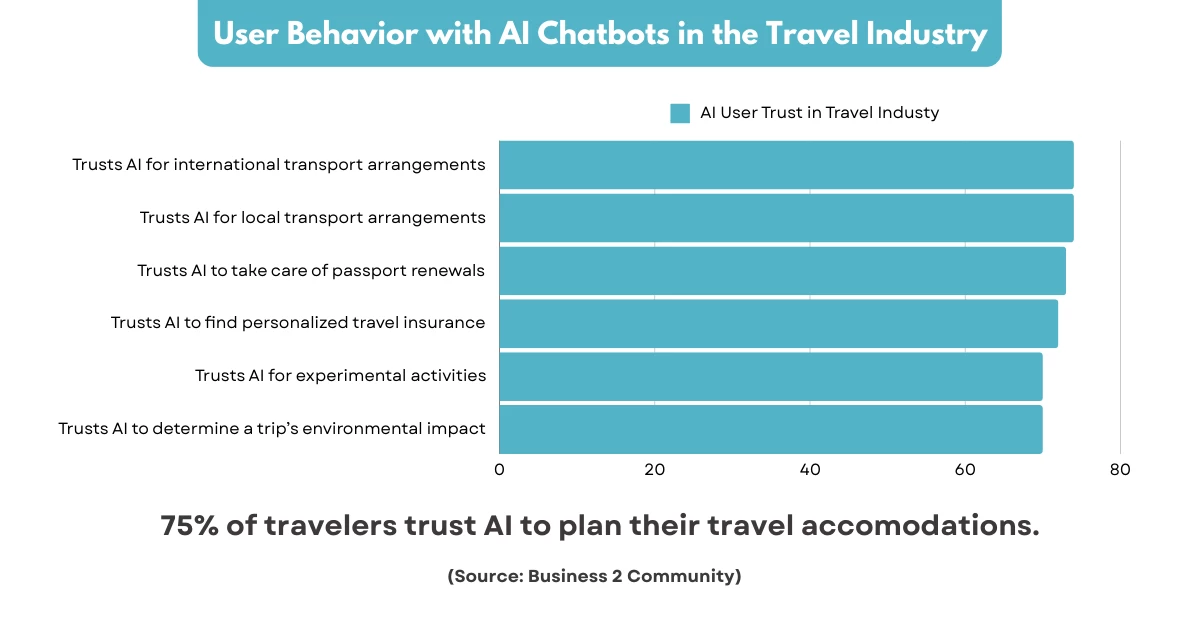
Ensuring Safe Transactions with Travel AI Chatbots
The security of travel bookings is of utmost importance in today's digital age. AI chatbots play a crucial role in ensuring safe transactions by protecting sensitive customer information, detecting and preventing fraud, and implementing robust security measures. Building trust with customers through transparency is definitely key to the success of AI chatbots in the travel industry. As technology continues to advance, AI chatbots will undoubtedly become even more integral to secure travel planning, offering travelers peace of mind and a seamless booking experience.
Are you ready to experience the future of secure online transactions for your business? Try Smicos! Smicos is an innovative AI chatbot facility that will help you design your own virtual assistant to keep transactions with your customers safe and hassle-free.
Visit our website today to learn more about how Smicos can enhance your business with top-notch security and seamless service.