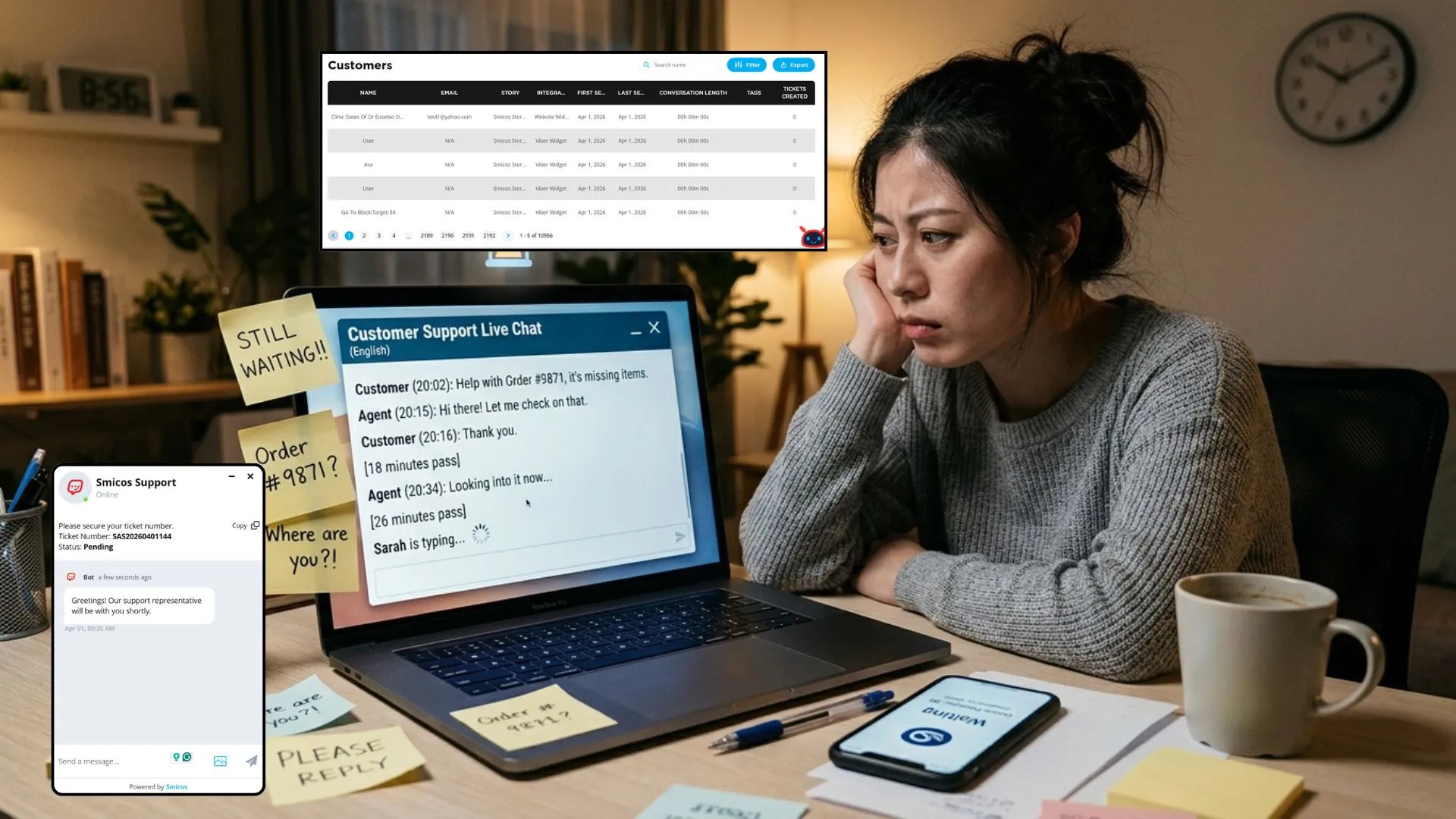
Slow Facebook Replies Are Killing Your Sales: AI Automation Fixes the Gap
Small business marketing is no longer hampered by reach, but by the speed of response. Are you losing potential customers because your business is responding too slowly on Facebook?
In a world of instant gratification, the inability to quickly respond to customer inquiries is quietly killing business. What may seem like a “minor delay” to your business may actually mean losing a potential sale, lead, or even gaining a competitor a new customer.
Is your business unable to keep pace with messages, comments, and inquiries? The solution is here. In the following article, the impact of slow Facebook response times on business revenue, the reasons behind it, and how artificial intelligence can help speed up the response will be discussed.
Key Takeaways:
-
79% of consumers expect brands to respond within 24 hours on social media, yet many businesses fail to meet this expectation, leading to lost opportunities. (Sprout Social, 2023)
-
Businesses that respond within an hour are 7x more likely to qualify leads compared to slower responders. (Harvard Business Review)
-
Conversational AI can increase conversion rates by up to 30% by engaging customers instantly. (IBM, 2022)
-
Automation tools save businesses up to 30% of customer service time, allowing teams to focus on high-value tasks. (McKinsey, 2023)
Is Slow Response Time Costing You Sales?
Many small businesses heavily depend on Facebook as their main sales platform. While ads help drive traffic and engagement, delayed responses can hinder the buying experience.
Customers often:
-
Send inquiries about pricing or availability
-
Ask follow-up questions before purchasing
-
Compare multiple sellers at the same time
When responses take hours, or even worse, days, the buying interest disappears. Customers go elsewhere, to competitors with quicker response times.
The issue isn’t a lack of effort, though. It’s about scalability. As message volume grows, manual responses simply aren’t possible anymore.

Why Facebook Response Gaps Happen?
Small teams face a common challenge: too many conversations, not enough time.
Typical workflow issues include:
-
Managing messages manually across Facebook and Messenger
-
Delays outside business hours
-
Repetitive questions consuming time
-
Lack of structured follow-ups
Each delay compounds into lost revenue. Instead of guiding customers toward a purchase, businesses unintentionally push them away.
What AI Automation Actually Means for Facebook Sales?
AI automation is practical—not complex. It focuses on three core capabilities:
Instant Response Automation
AI-powered chatbots reply immediately to inquiries, ensuring no message goes unanswered—even outside business hours.
Smart Conversation Handling
AI understands common questions, provides relevant answers, and guides users toward actions like booking, purchasing, or inquiring further.
Lead Capture and Qualification
Instead of losing leads, AI collects customer details, segments inquiries, and prioritizes high-intent buyers.

Five Ways AI Fixes Slow Facebook Replies
1. 24/7 Instant Replies
AI ensures every message gets an immediate response, reducing customer drop-off and improving engagement.
2. Faster Lead Conversion
Quick replies keep customers interested and move them faster through the buying journey.
3. Automated FAQs and Responses
AI handles repetitive questions, freeing your team to focus on closing sales.
4. Consistent Customer Experience
Every customer receives accurate, timely, and professional responses—no matter the volume.
5. Real-Time Follow-Ups
AI automatically follows up with interested leads, increasing the chances of conversion.

Is a Small Team Enough to Handle Facebook Leads?
A typical small team managing Facebook inquiries manually often struggles to keep up. Messages pile up, responses slow down, and valuable opportunities can easily be missed.
With AI automation in place, replies happen instantly, leads are captured and organized efficiently, and conversations are smoothly guided toward conversion.
What once required hours of manual work becomes seamless and efficient.
How Can SMBs Use AI to Respond Faster on Facebook?
Small businesses can improve response time and conversions by using tools such as:
-
Meta Messenger automation tools for instant replies
-
Chatbot platforms for handling conversations
-
CRM systems for tracking leads
-
AI tools like ChatGPT for generating smart responses
-
Automation platforms (e.g., Smicos AI) for end-to-end engagement
Using these tools together allows businesses to respond faster, reduce workload, and improve customer experience.
How Can Small Teams Turn Faster Replies Into More Sales?
AI automation transforms response time into a competitive advantage. It ensures no inquiry is ignored, no lead is wasted, and no opportunity is delayed.
Instead of reacting late, businesses can engage instantly, guide customers effectively, and convert interest into revenue.
Ready to Fix Your Facebook Response Gap?
Reclaim lost sales, respond instantly, and turn conversations into conversions with Smicos AI. With Smicos AI, you can respond immediately, grab all the sales, and keep the conversation moving towards a sale without adding more burden to your team. No more missed sales. Visit the Smicos AI website to register or book a consultation.
Smicos AI enables small businesses to work efficiently, optimize marketing campaigns, and turn insights into measurable growth, providing your marketing operations with the strategic edge you need to succeed.