
Have you ever found yourself worried that the rise of AI chatbots may be the start of job scarcity for humans?
A common fear is that chatbots and AI systems are automating many jobs, particularly in customer service, HR, and administrative roles. Businesses are now embracing automation, which has many employees concerned about their potential replacement by machines. However, the reality is quite the opposite. Instead of replacing humans in the workforce, chatbots improve our productivity by handling repetitive tasks.
In this article, we’ll explore how chatbots complement human efforts, making workplaces more efficient while allowing employees to focus on strategic, high-value activities.
Chatbots as Enhancers, Not Replacements
Fears of automation are nothing new. During the Industrial Revolution, workers worried about machines replacing them, and similar concerns resurfaced with the rise of computers. Chatbots are the latest in a long line of technological innovations, but they aren't here to replace human intelligence.
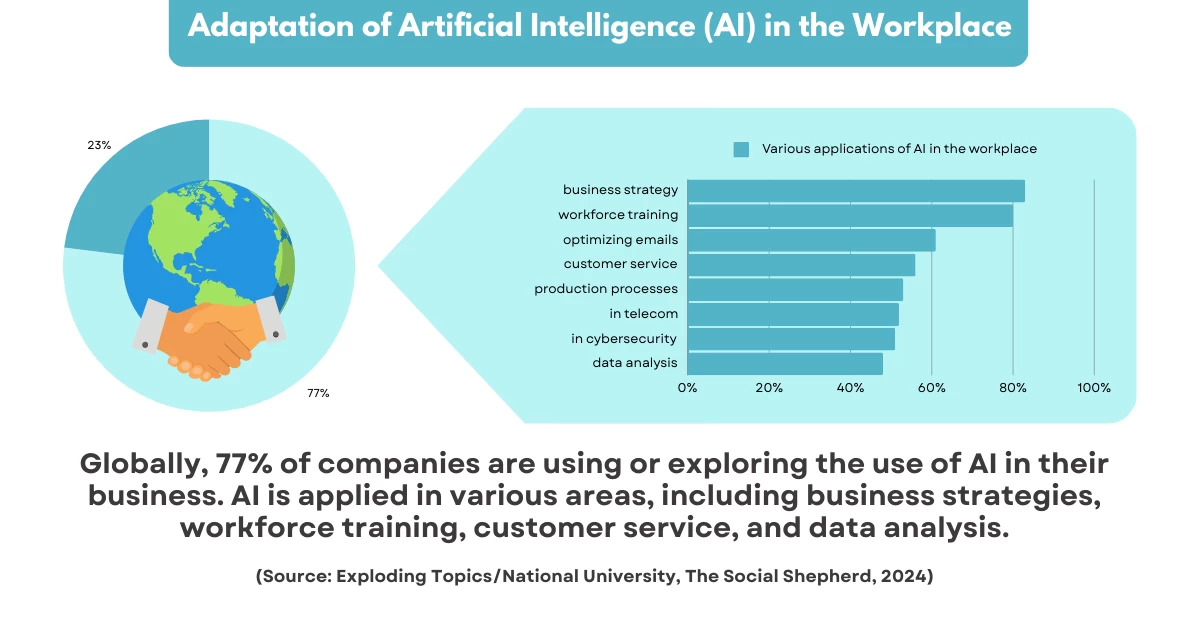
Modern businesses primarily use chatbots to handle repetitive tasks like answering FAQs or processing straightforward requests. They increase efficiency by automating these routine jobs, enabling employees to spend their time on complex tasks such as creative problem-solving, and strategic thinking, and fostering human connections with customers and colleagues.
Symbiosis in the Workplace: Humans and Chatbots Together
The true power of chatbots lies in how they complement human skills, not in replacing them. Chatbots excel at repetitive, data-driven tasks, such as providing quick responses at scale, while humans thrive in areas requiring empathy, critical thinking, and nuanced judgment. Consider a few examples:
- Customer Service: Chatbots manage initial queries, directing customers to the right department, while human agents handle more complex or emotionally sensitive issues that require understanding and a personal touch.
- HR Support: Chatbots can streamline the recruitment process by filtering applications, leaving HR professionals to focus on interviewing and cultural assessments.
- Administration: Chatbots handle scheduling and data entry, freeing up administrators to work on planning and decision-making.
This division of labor lets employees focus on the parts of their job that are most rewarding and impactful.
The Benefits of Chatbots for Human Employees
Chatbots handle repetitive, time-consuming tasks like answering customer inquiries and handling data. By offloading these duties, employees are free to focus on higher-level responsibilities that require creativity and innovation.
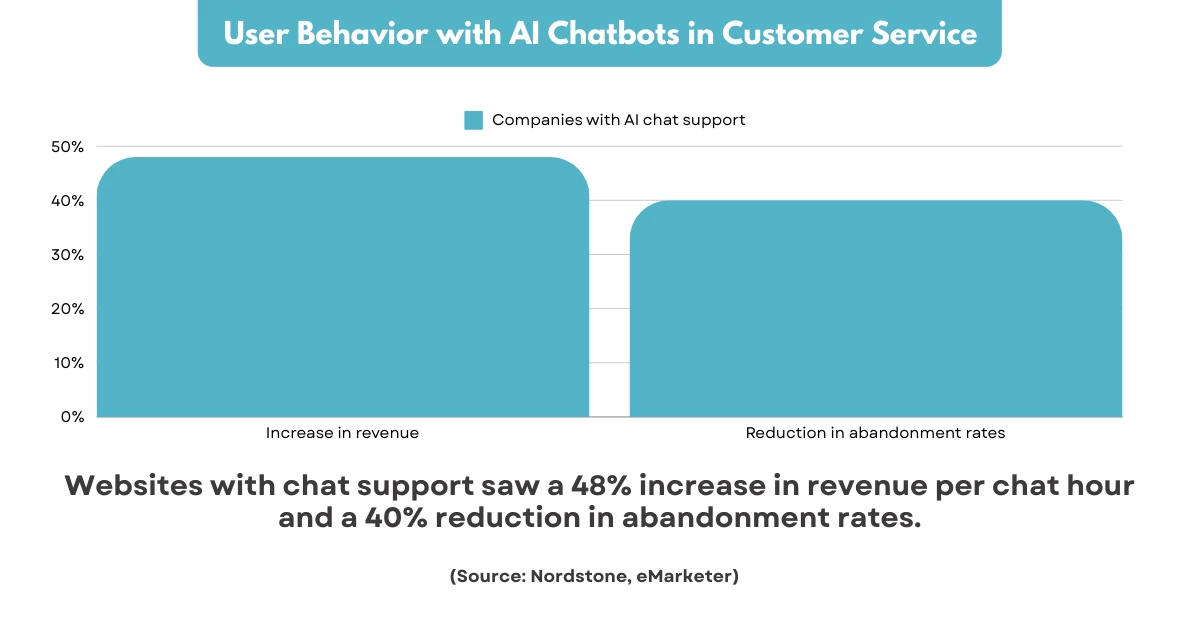
This shift not only provides opportunities for skill development but also leads to greater job satisfaction as employees work on more strategic projects. Additionally, with chatbots managing after-hours tasks like responding to inquiries, employees can enjoy better work-life balance, reducing the risk of burnout.
The Future: Human-AI Collaboration
AI will continue to evolve, becoming more sophisticated, but its role will remain supportive. Chatbots will likely take on more complex tasks, yet they’ll always rely on human collaboration. As the workforce prepares for this future, businesses and employees alike should view AI not as a threat but as a powerful tool for driving innovation and efficiency.
Chatbots aren’t here to replace human jobs—they’re tools designed to enhance the human work experience. Companies that harness the strengths of both AI and their employees will lead the way in productivity and job satisfaction, creating a future where humans and AI collaborate to achieve greater success.
Ready to stay ahead of the AI curve? Subscribe to Smicos for FREE and discover how our cutting-edge AI chatbot facility can streamline your workflows, improve customer interactions, and boost efficiency.
Click here to start using Smicos and join the future of work today!