Did you know that the Philippines is gearing up to boost technological innovation which is crucial in the development of the country as a whole?
Artificial Intelligence (AI) technology is transforming industries globally. With its capacity to simulate human intelligence processes, it can automate mundane tasks to provide deep insights from complex data in a manner that no other technology can compete. AI's significance spans healthcare, finance, manufacturing, and multiple other industries that shape the world we know today.
In digital marketing, AI's impact is profound. In what can be considered a relatively short time, AI has integrated itself into the field and is used to enhance strategies and customer engagement, and improve the overall efficiency of the business. The technology of AI has been around for a while, but it took a while to reach the level of complexity that it has today. To gain a clearer vision of how AI evolved and affected the country throughout the years, this article delves into AI's evolution—highlighting its transformative role in digital marketing and showcasing one of the Philippines’ pioneering AI chatbot solutions, SMICOS.
The Evolution of AI in the Philippines and its Impact On Digital Marketing
Imagine a marketing strategy that effectively makes audiences feel like you can read their minds. That's the power of AI in action. By crunching massive amounts of data, AI provides valuable customer insights that let marketers craft personalized strategies that resonate with individual preferences. The result? Customers are more engaged, more loyal to your brand, and more likely to convert into paying customers.
AI-powered chatbots have become indispensable in modern businesses. These virtual assistants offer 24/7 customer support, efficiently handling queries and providing instant responses. For companies, especially small and medium-sized enterprises (SMEs), AI chatbots are a cost-effective solution to maintain high-quality customer service without incurring the expenses associated with human staff. They offer scalability and accessibility, leveling the playing field and providing a competitive advantage in the digital marketplace
The Journey of AI To Philippine Digital Landscape
The Philippines has been an enthusiastic adopter of AI technologies. The early implementations focused on enhancing business processes and improving customer interactions. Over the years, the government's supportive initiatives have accelerated AI adoption. Let’s take a look at the journey of AI from its inception in the United States, up to its current role in the development of the Philippine digital landscape.
1940s-1950s

Image from Matthew Renze
The inception of AI can be traced back to the work of pioneers like Alan Turing and John von Neumann. Turing proposed the famous Turing Test in 1950 as a measure of a machine's ability to exhibit intelligent behavior indistinguishable from that of a human. This period is often considered the birth of AI as a field when researchers at the Dartmouth Conference in 1956 coined the term "artificial intelligence" and outlined goals for AI research.
1950s-1970s

Image from AI Bees
During this period, AI research focused on symbolic methods and logic-based reasoning. Significant work included the development of programs like the Logic Theorist (1956), General Problem Solver (1959), and ELIZA (1966), a natural language processing program.
1970s-1980s
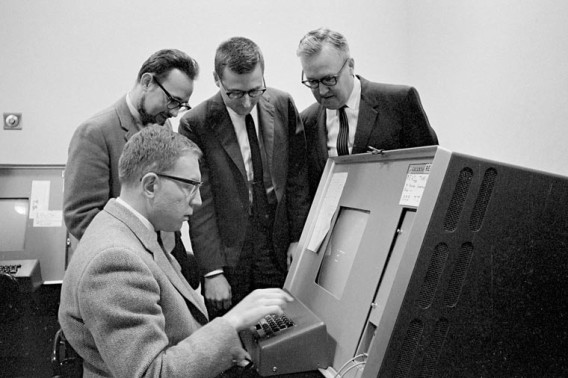
Image from Kondelike.ai
Progress slowed due to limitations in computing power and the complexity of AI problems in this period. In addition, the funding for initiatives decreased, leading to what became known as the "AI winter," a period of reduced research activity and interest in AI.
1980s-1990s
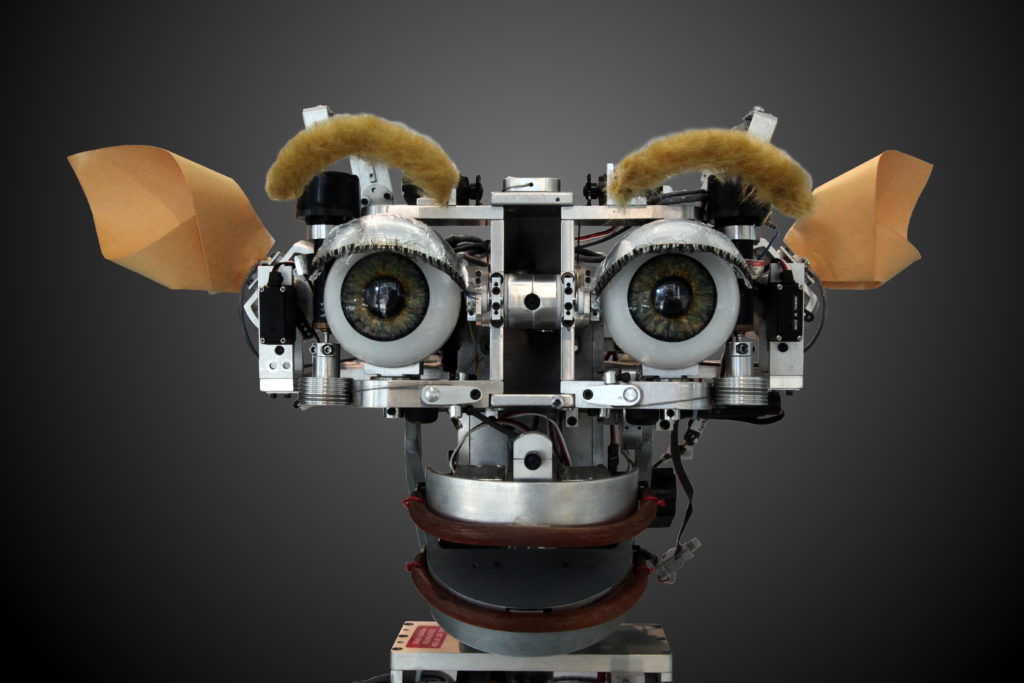
Image from Kondelike.ai
In the 1980s, neural networks gained prominence, marking a significant breakthrough in AI research. This approach to AI mimics the human brain's structure, enabling machines to learn from data and improve over time.
2000s

Image from g2
By the 2000s, advancements in computing power and data availability propelled AI into mainstream applications. Industries worldwide began leveraging AI for automation, predictive analytics, and personalized user experiences.
The 2000s was also a period when we saw a shift towards statistical approaches to AI, particularly with the rise of machine learning techniques such as support vector machines (SVMs) and decision trees. Neural networks, once again, gained prominence with the development of deep learning models enabled by advances in computational power and large-scale datasets.
Modern Implications
AI's global impact grew exponentially. Tech giants like Google, Amazon, and Microsoft are widely acknowledged to lead the innovation in the field. AI has become integral to everyday technologies, from virtual assistants to recommendation systems. There has been a remarkable increase in the number of AI-related conferences held since the year 2000.
2010s
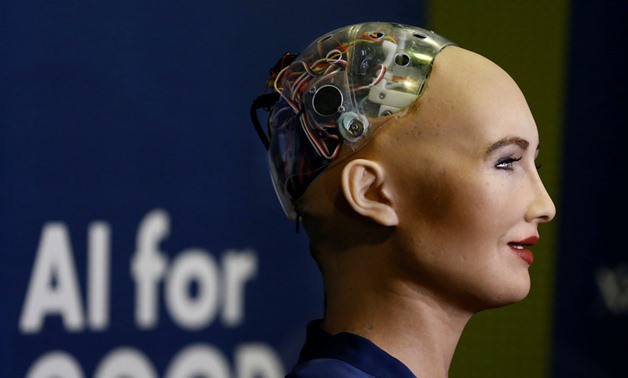
Image from Egypt Today
Applications of AI have become widespread during the 2010s. From virtual assistants (e.g., Siri, Alexa) to autonomous vehicles, personalized medicine, and recommender systems, AI technology has been integrated into many major digital innovations during this time. Deep learning has revolutionized AI across various domains, including computer vision, natural language processing, and robotics.
In the Philippines, AI adoption gained momentum in this period. Local tech startups and enterprises started exploring AI solutions to enhance operational efficiency and customer engagement.
2020s
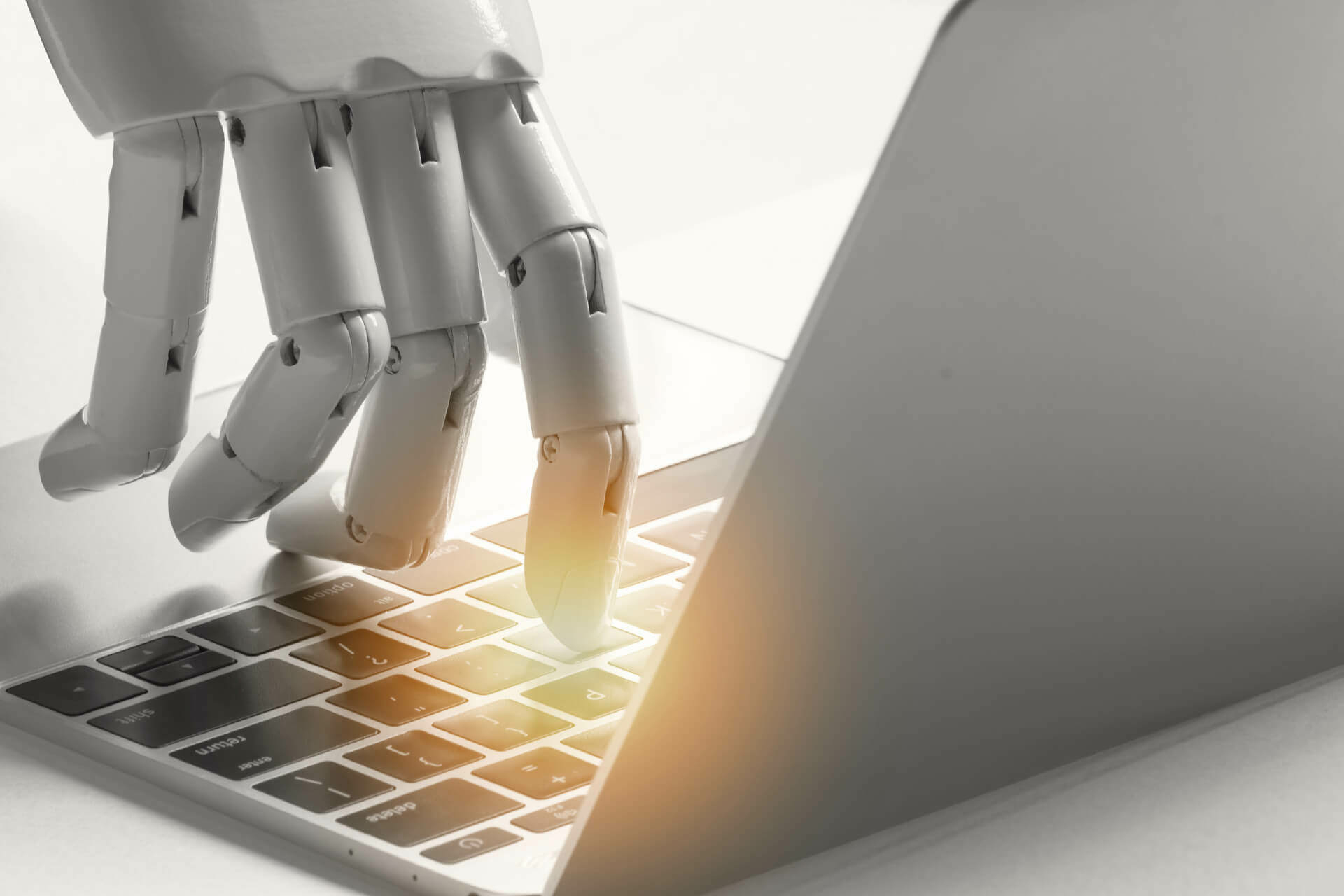
Image from Miquido
Recognizing AI's potential, the Philippine government implemented supportive policies and initiatives to foster technological innovation such as the Philippine Innovation Act (Republic Act No. 11293) during the turn of the decade and the launch of the National Artificial Intelligence Roadmap in 2021. These efforts aimed to boost local AI research, development, and adoption across industries, with hopes of transforming the country into an A.I. hub of the ASEAN region.
Looking Ahead
Collaborations between local universities, tech hubs, and international tech firms played a crucial role in accelerating AI innovation in the Philippines. Knowledge exchange and joint projects facilitated the development of cutting-edge AI chatbot solutions.
Against this backdrop, SMICOS emerged as a pioneering AI chatbot developed locally to address the growing demand for advanced customer service solutions. Its development showcases Philippine talent and innovation in AI technology.
AI innovations like SMICOS have revolutionized how Philippine businesses approach customer service, marketing, and operational efficiency. These solutions empower enterprises to compete globally while meeting the needs of a digital-savvy consumer base.
Looking ahead, the Philippines continues to position itself as a hub for AI innovation in Southeast Asia. With ongoing advancements and supportive ecosystems, AI is set to drive economic growth and technological advancement in the region.
Smicos for Businesses
Smicos (Smart Integrated Communication Solutions) provides an intuitive user interface, powered by PurpleBug's proprietary chat and AI engine. It offers scalability with a modular structure and seamless integration across social media, websites, and various platforms. Businesses benefit from comprehensive data analytics and robust report management capabilities, enhancing operational efficiency and customer engagement.
Welcome the Future, Embrace AI, Embrace Smicos
The evolution of AI and its arrival in the Philippine landscape signifies a transformative phase for businesses, particularly in digital marketing. AI chatbots like Smicos exemplify the profound impact of customer service chatbots. From its humble beginnings in the 1950s, it has now evolved into a technological powerhouse, driving efficiency, engagement, and overall success in various industries like digital marketing.
As AI development continues to advance, the Philippines is poised to become a significant player in the global tech arena. Embrace AI chatbot solutions such as Smicos to foster growth, enhance customer experiences, and maintain a competitive edge in the ever-growing digital landscape.
Are you looking to improve your digital marketing initiatives with the power of AI? Smicos AI chatbot solutions can help! Visit our website to learn more.