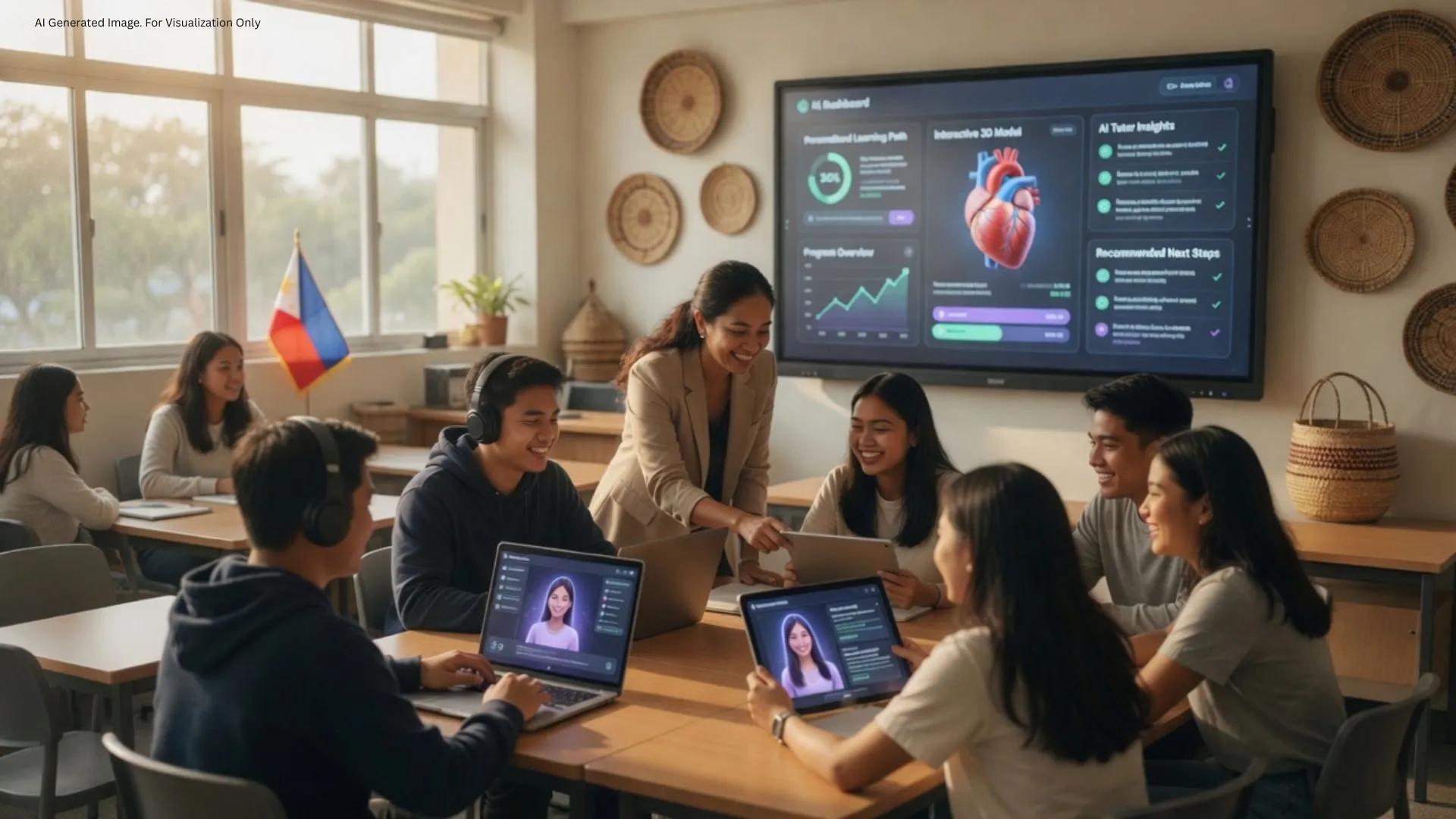
The Schools of Tomorrow: How AI Helps Educational Institutions Make Smarter Decisions
As educational institutions navigate budget constraints, fluctuating enrollment, and evolving student needs, guesswork is no longer an option. School administrators and educators are facing immense pressure to optimize resources while simultaneously improving student outcomes.
The solution isn't working harder; it’s deciding smarter.
Artificial Intelligence (AI) has quietly shifted from a futuristic classroom novelty into the backbone of strategic school management. By transforming massive data silos into clear, actionable roadmaps, AI is empowering school leaders to make predictive, highly effective institutional decisions.
Here is how modern schools are leveraging AI to drive smarter decision-making, backed by the latest industry data.
Key Takeaways
-
Proactive over Reactive: AI allows school leaders to predict student failure and operational bottlenecks weeks before they manifest.
-
Massive Time Recovery: Eliminating up to 70% of administrative overhead allows administrators to focus on high-level strategic growth.
-
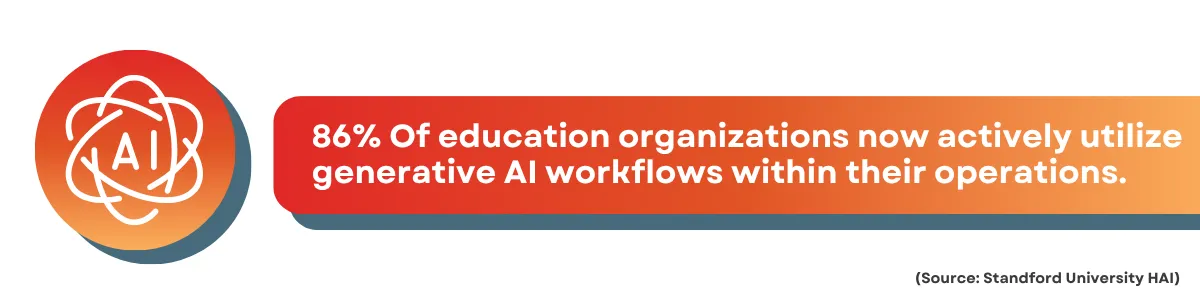
Universal Adoption: With 86% of educational organizations adopting AI, data-driven decision-making is quickly becoming the standard, not the exception.
How Can Schools Prevent Student Dropouts Before They Happen?
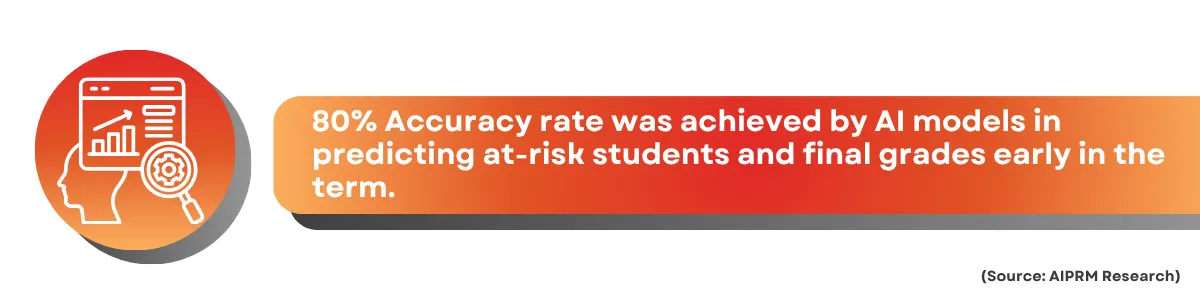
One of the most powerful applications of AI in education is predictive analytics. Rather than reacting to a student failing or dropping out after the semester ends, AI models analyze historical and real-time markers, such as attendance drops, missing assignments, and subtle behavioral changes, to flag at-risk students weeks in advance.
By identifying these learning gaps early, administrators can allocate counseling and tutoring resources precisely where they are needed most, maximizing the ROI of academic intervention programs.
Why Are Administrators Using AI to Reclaim Hundreds of Operational Hours?
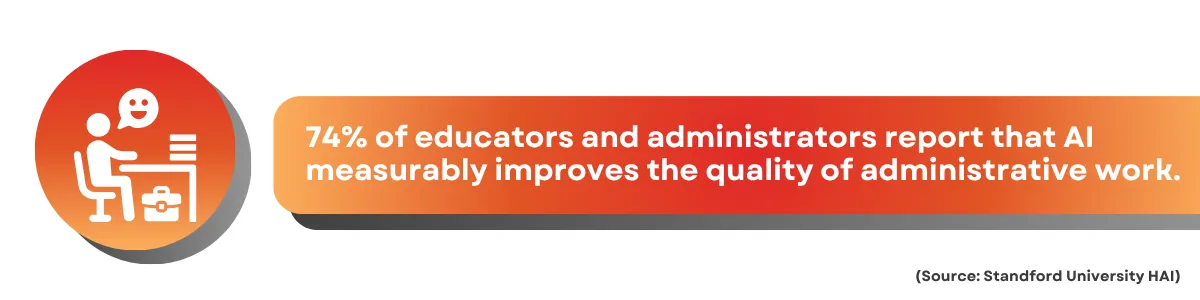
School leadership isn't just about pedagogy; it’s a complex logistical operation involving budgeting, scheduling, compliance reporting, and resource allocation. Traditionally, these tasks consume hundreds of hours of administrative time. AI-driven operations platforms automate these back-end workflows, giving leadership a clear view of where resources are leaking and how to optimize them.
With AI handling resource forecasting and grading bottlenecks, principals and superintendents can redirect human capital back to student engagement and community building.
Is Institutional AI Moving Past Simple Experimentation?
For years, critics viewed AI as a trend restricted to wealthy tech sectors. However, institutional adoption data shows that education leaders are embracing the technology faster than almost any other industry. The decision to integrate AI into school management is no longer experimental; it is a baseline requirement for modern operational survival.
As the global AI education market surges, institutions that fail to integrate these decision-making tools risk falling behind in both operational efficiency and student recruitment.
What Exactly Is Smicos—And Why Is It the Missing Piece in Your EdTech Puzzle?
Smicos is a cutting-edge platform dedicated to bridging the gap between advanced artificial intelligence and educational leadership. Designed specifically for modern school administrators, educators, and campus leaders, Smicos synthesizes complex industry data into actionable insights. By acting as a specialized knowledge hub, it helps educational institutions move away from guesswork and transition into highly efficient, predictive, and data-driven learning environments.
How Can Smicos Turn Your Overwhelming Campus Data Into an Unfair Advantage?
Navigating the rapidly evolving world of educational AI can be overwhelming, but Smicos provides the blueprint for a seamless transition. By utilizing www.smicos.com as your primary reference, campus leaders can access exclusive insights, real-world case studies, and tailored operational toolkits. Whether you are looking to deploy predictive analytics to curb student dropout rates, automate tedious backend administration, or benchmark your institution's AI growth against global trends, Smicos serves as your definitive guide to smarter institutional decision-making.
Conclusion
The schools of tomorrow cannot be run on the intuition of yesterday. By implementing AI, educational leaders are uncovering hidden patterns in student performance, cutting operational waste, and building highly resilient institutions. Making "smarter decisions" isn't about replacing the human element of leadership, it’s about equipping educators with the precise data they need to support their communities effectively.
Ready to transform your institution's data into your greatest asset? Subscribe to Smicos AI today to receive exclusive insights, case studies, and toolkits designed to bring data-driven clarity to your educational leadership.