
What drives customers to engage with brands in 2025?
As technology advances and expectations shift, businesses face the challenge of keeping up with changing consumer behavior. Customers now expect seamless experiences, personalized interactions, and meaningful connections with the brands they support. Adapting to these trends is critical for staying relevant in a competitive marketplace.
In this article, let’s explore the key engagement trends shaping customer behavior in 2025 and provide actionable insights to help your business thrive.
Evolving Customer Expectations and the Need to Stay Updated
Technology continues to transform how customers interact with brands, shaping new behaviors and higher expectations. From AI-driven tools to instant shopping experiences, today’s customers demand efficiency, personalization, and real-time responses. These advancements have made fast, seamless interactions the new standard, leaving little room for outdated practices.
To stay competitive, businesses must stay ahead of engagement trends. Falling behind can result in missed opportunities, lost loyalty, and stagnant growth. Adapting to shifts in customer behavior not only ensures relevance but also fosters stronger connections, more effective marketing campaigns, and improved product offerings. Being proactive in understanding and meeting customer needs is no longer optional—it’s essential.
What Customers Really Want (Key Trends)
So, what do customers really want in 2025? Here are some of the most important trends to watch:
Focus on Financial Sustainability
As the economy tightens, consumers are increasingly seeking personalized experiences that cater to their unique needs while providing instant gratification. Brand-funded cashback and loyalty programs, enhanced by technologies like receipt scanners, align with this demand by offering quick rewards and self-service options that simplify processes. These programs not only boost customer satisfaction but also help brands gain valuable insights into consumer behavior, leading to smarter and more sustainable marketing spending.

With rising prices, AI is playing a critical role in guiding personalized experiences for smarter purchases. Platforms like Amazon leverage AI to suggest items based on past buying habits, offering consumers instant gratification with tailored recommendations. Better in-store tech and self-service options complement the shift in stores towards more affordable options like ready-to-eat meals. These innovations help brands focus on cost-saving solutions, enabling consumers to make informed choices while maintaining financial sustainability.
Voice Search Will Grow In Popularity
Experts predict that voice-based customer service, like phone calls and voice assistants, will see significant growth in 2025, delivering personalized experiences that cater to customer preferences. Even younger generations, who often lean toward chatting or self-service, are expected to embrace voice assistants and search more frequently.
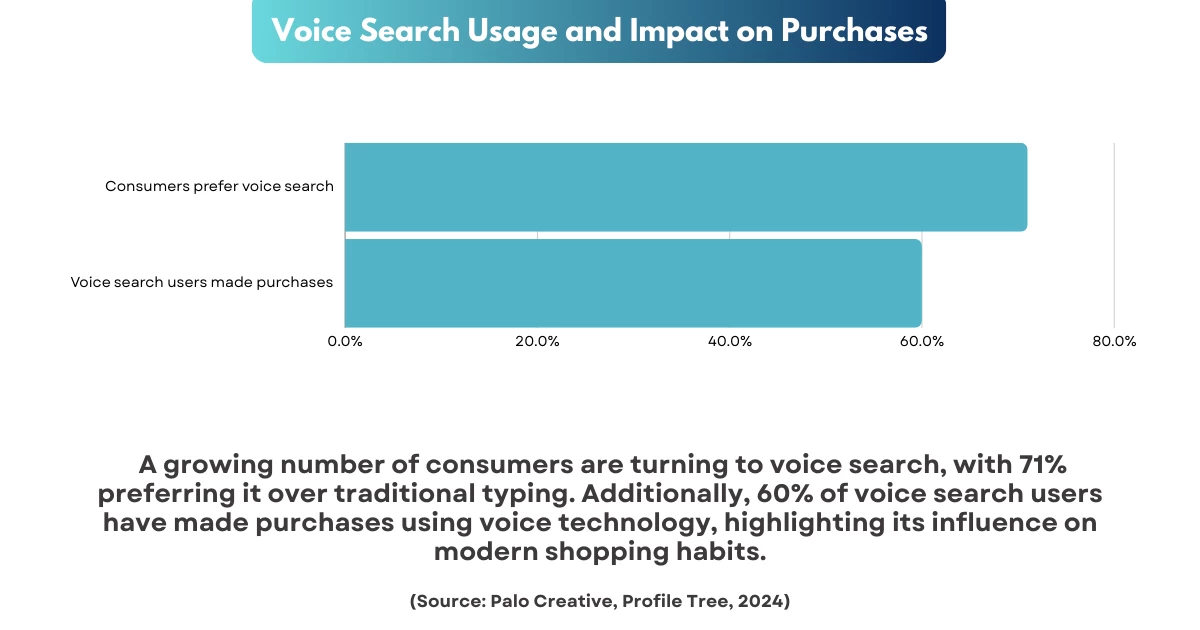
With advancements in voice AI, businesses can offer instant gratification by enabling natural, 24/7 conversations, even during peak hours. This technology streamlines customer interactions, making processes faster and more efficient while reducing the workload on human agents.
More apps will likely integrate voice features, enabling customers to ask questions or seek assistance without typing. Gen Z, in particular, is driving this trend, favoring the convenience of voice memos and other hands-free options.
AI Will Grow Even More Powerful
Despite the challenges AI faced in 2024, innovation is just beginning, with a wealth of opportunities ahead. Companies will adopt new AI tools like automation and advanced models to improve personalized experiences and enhance user experience (UX). For example, AI will soon go beyond just text or voice and will be able to understand images, data, and even details like GPS or app activity to solve problems faster.
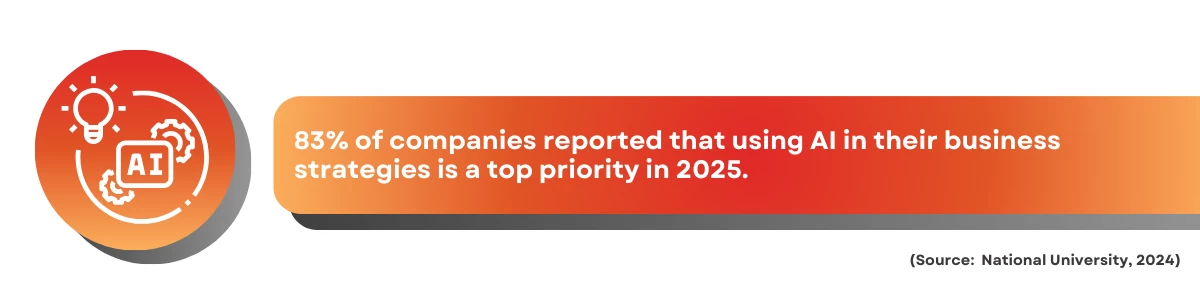
Experts say AI will become more integrated, working together seamlessly instead of using separate tools. This will help businesses better predict and meet customer needs, providing a more cohesive and personalized experience. Plus, combining different AI technologies (Composite AI) will overcome current limitations, like AI’s struggle with complex questions or staying up-to-date.
Assessing Your Customer Engagement Strategies
With these trends in mind, it's time to assess your own engagement strategies. Are you keeping up with customer expectations? Are your interactions personalized enough? Do you offer quick responses and self-service options? If not, now is the time to rethink your approach.
To stay ahead, consider investing in new technologies like AI and machine learning, which can help you analyze customer data and offer more tailored experiences. Enhance your digital platforms to ensure they provide an intuitive, seamless user journey. And don’t forget about speed—ensuring that responses are quick and solutions are accessible at all times will put you ahead of the competition.
Adapting to the Future of Customer Engagement
As we head into 2025, customer expectations are evolving, and businesses need to stay ahead of the curve. To do that, being agile, responsive, and proactive in meeting these new demands is key. Focusing on financial sustainability, embracing AI innovations, and keeping an eye on upcoming trends in voice search will be crucial.
With that in mind, it’s time for businesses to rethink their engagement strategies based on 2024 trends and ensure they’re providing the best possible experience for their customers.
Start using Smicos today and make the adjustments needed to set your business up for success in the year ahead. Visit our website to try Smicos for FREE!